To mark International Women in Engineering Day, four senior women in the industry talk about judgement, creativity and shaping the future of the sector over the coming decade.
Tuesday 23 June 2026 is International Women in Engineering Day (INWED) – a global initiative to encourage equality in the sector and greater female representation. This year’s theme, “Engineering Intelligence”, covers the expertise, creativity and judgement behind the systems and structures people depend on.
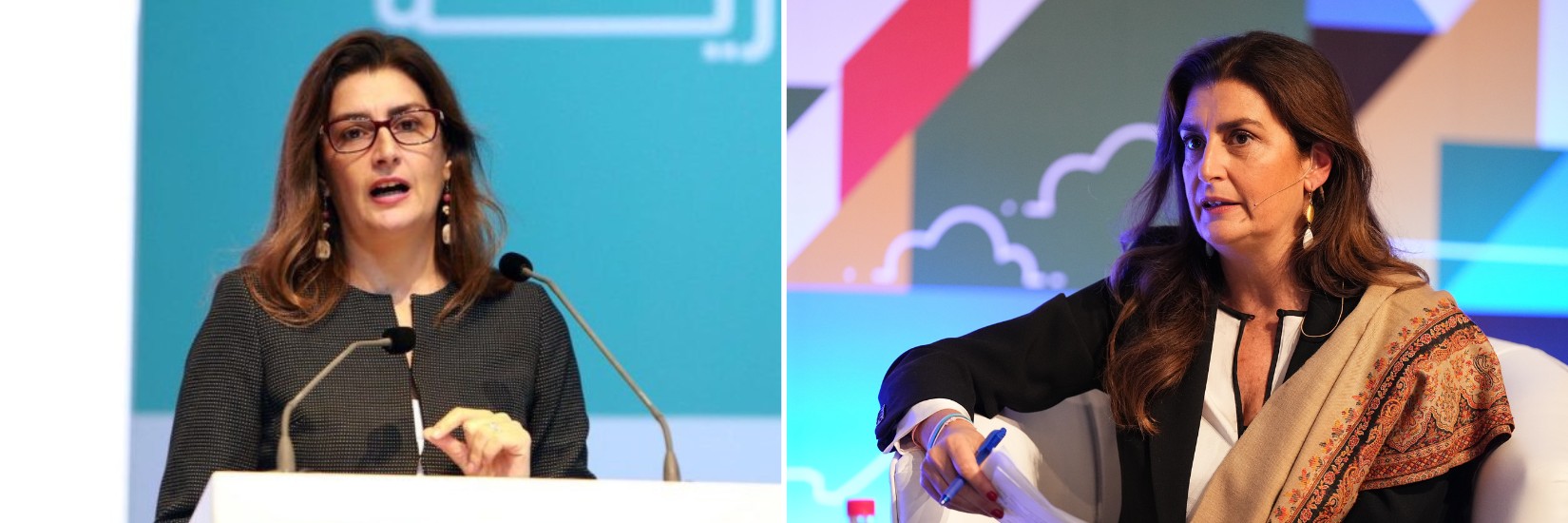
FIDIC, the International Federation of Consulting Engineers, is backing INWED and sees it as a key initiative for the industry. FIDIC CEO Susanna Zammataro (pictured below) said: “International Women in Engineering Day matters because women’s engagement in our industry isn’t just a nice-to-have – it’s essential to solving the infrastructure challenges the world faces. At FIDIC, we witness every day how women are shaping the projects that connect communities, build resilience and drive sustainable development.
“The more we highlight the role women play in improving lives through engineering, the more we raise the bar for our entire profession. That’s not just good for women. It’s good for engineering.”
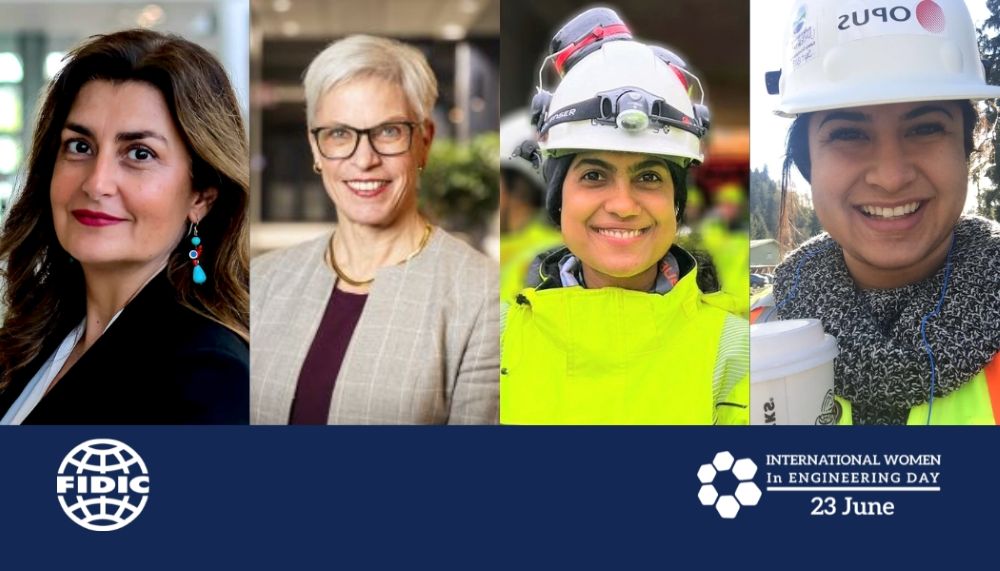
To mark this year’s day, FIDIC asked three women leaders about their views on the industry and their experiences. The three are Tina Karlberg, FIDIC board member and also president of architectural and engineering company Sweco International, Jyothsna Amrith, operations director, CTR India at SYSTRA and Negin Tousi, client and project advisory professional at Colliers Project Leaders in Vancouver.
“Engineering Intelligence” is this year’s INWED theme – covering expertise, judgement, and the human skill behind the systems we rely on. What does that phrase mean in the context of your own work?
Tina Karlberg: “Engineering intelligence” would for me be to always look at new aspects and new possibilities to solve problems, and in that process always base it on experience from various people inside and outside of my organisation. Creative and fact-based problem solving is a key characteristic of engineering that I love and am proud of.”
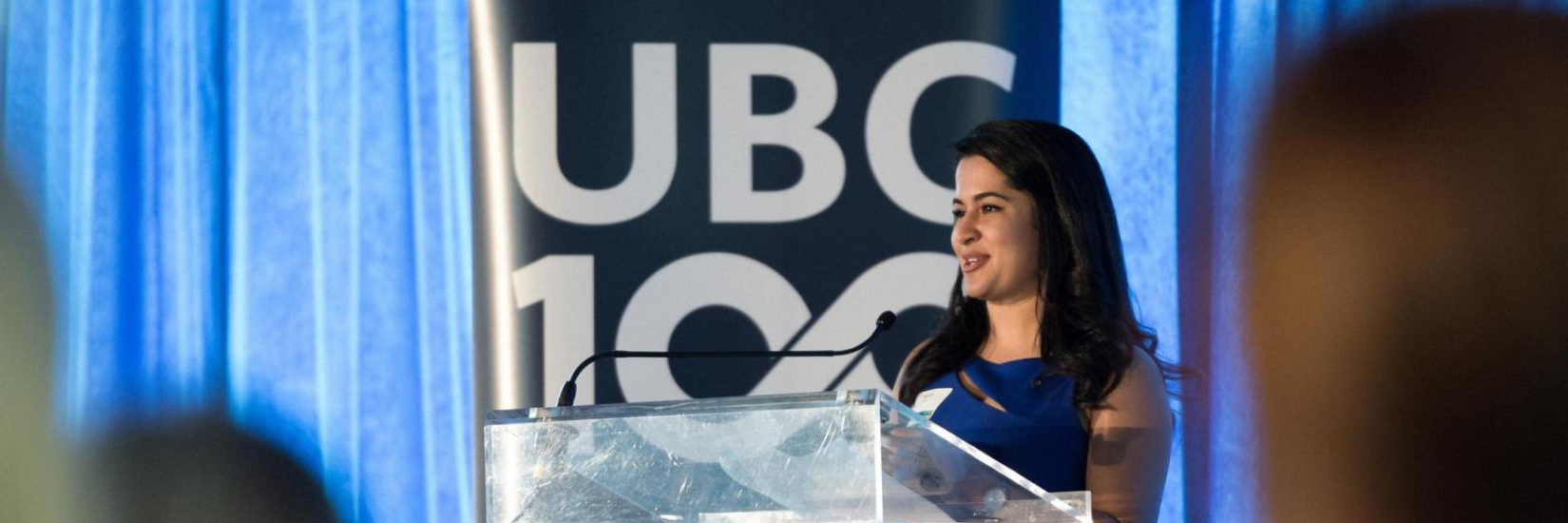
Negin Tousi (pictured above): “When I was studying engineering 10-15 years ago, it was largely viewed as the application of hard science to solve complex technical problems, with less emphasis on emotional intelligence, community context, or broader social and environmental outcomes. Working in municipal water and wastewater, particularly with indigenous communities, has shown me how much that has evolved, as infrastructure decisions now directly shape public health, affordability, resilience, and quality of life. To me, “Engineering Intelligence” is the integration of technical expertise with human judgement – balancing data, sustainability and lived community experience. Today, engineering is as much about listening and collaboration as it is about design and analysis and that shift is what makes the work so meaningful.”
Jyothsna Amrith: “Engineering intelligence is the ability to combine technical expertise with human judgement to solve complex real-world challenges. In delivering major railway infrastructure across multiple countries, it’s often not the technology itself, but the decisions behind it, that determine long-term success.”
Where in your day-to-day role do you think your judgement or creativity makes the biggest difference? What are the parts of the job that don’t show up in a project spec?
Tina Karlberg: “As a manager you have to be prepared to jump between the expected and the unexpected on a daily basis, so flexibility in mind and mood is key. I strive to use creativity, analytical ability and listening to others to make good decisions.”
Jyothsna Amrith: “The most critical decisions rarely appear in a project specification. My greatest contribution is often connecting people, disciplines and cultures to transform complex engineering challenges into practical, deliverable solutions.”
Engineering’s contribution from women is often underrepresented in public narratives. How can the industry go about changing that?
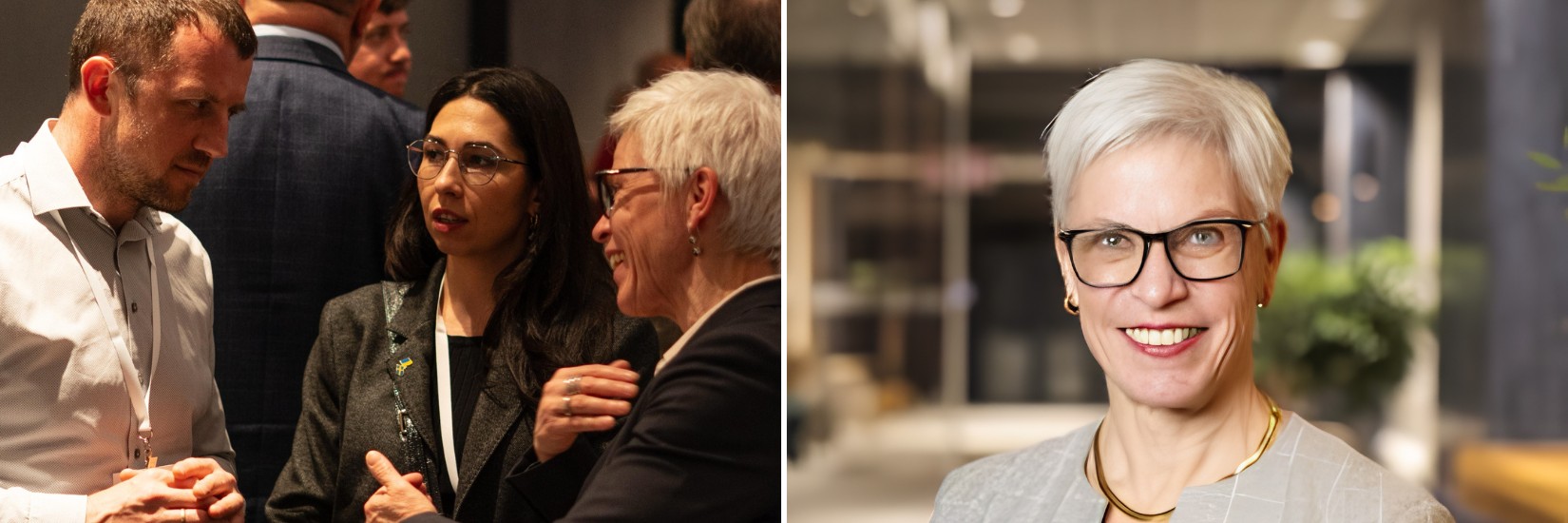
Tina Karlberg (pictured above): “The company where I work today has a balance between female and male managers, but this wasn’t always the case. When I started my career, women mostly had to rely on men lifting them up to be seen and heard. My advice would be for women in engineering to seek out the men who are not afraid of lifting women up. Try to work with and through them.”
Jyothsna Amrith: “For much of my career, I was often the only woman in the room, contributing to major infrastructure projects where the focus was on outcomes rather than the people behind them. International recognition later gave me a platform to highlight not only my own journey but also the significant contributions women make across our industry every day.”
What would you say to a young woman considering a career in engineering today, particularly given how fast the sector is evolving with AI and new technology?
Tina Karlberg: “Go for it, if you’re interested in the matters that engineers work with. I’m confident that we as an industry will work out how to engage with AI and other new technologies, but young women would be wise to seek out companies or organisations based on their change management abilities.”
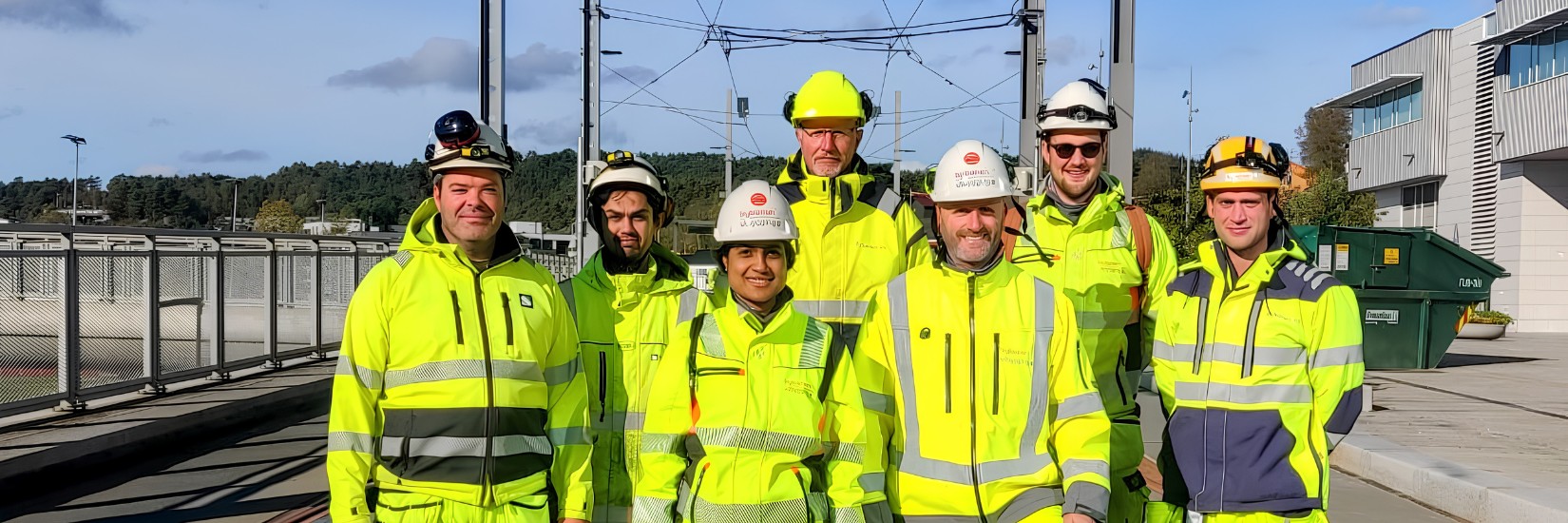
Jyothsna Amrith (pictured above, left centre): “Engineering is no longer just about building infrastructure – it is about shaping the future of how we live, move and connect. My advice is simple: be curious, be courageous and never underestimate the value of your perspective – the future of engineering needs diverse voices and bold leaders.”
Where do you see the biggest opportunity for women to shape the future of the infrastructure and engineering sector over the next decade?
Negin Tousi: “The biggest opportunity for women over the next decade is to help redefine leadership and what good engineering looks like in practice. As infrastructure becomes more complex and human-centred, there is an opportunity to lead like a matriarch – with long-term stewardship, curiosity and a focus on creating conditions for communities and future generations to thrive. This means shifting from designing solutions first and fitting people to them, toward observing behaviours, understanding lived experience and defining the real need before shaping the solution. For decades, engineering has often asked people to adapt to systems – the next decade should be about designing systems that adapt to people.”
Tina Karlberg: “The biggest opportunities will present themselves if you work with what you’re most engaged in. You’ll need a lot of energy and commitment to succeed, so choose with both heart and mind. Also, as I mentioned, try to find a place where there is relatively more room for women to succeed. Your talent will be badly needed – use it wisely.”
Jyothsna Amrith: “The infrastructure decisions we make in the next decade will shape how billions of people live, move and connect. Women have a tremendous opportunity to influence those decisions at the highest levels – combining engineering expertise, technological innovation and inclusive leadership to create infrastructure that is more resilient, sustainable and people-centred. I believe the future of engineering will be defined not only by technology, but by the diversity of voices shaping it.”